
Edfrank Jewelry's Struggle
The Man in the High CastleTwo fired craftsmen try to build a new life by making contemporary jewelry, only to meet poverty, distrust, and the reach of the police.
increasing Bearing strength in each event
 decreasing
Bearing strength in each eventdecreasingMcCarthy Proposes a Gamble
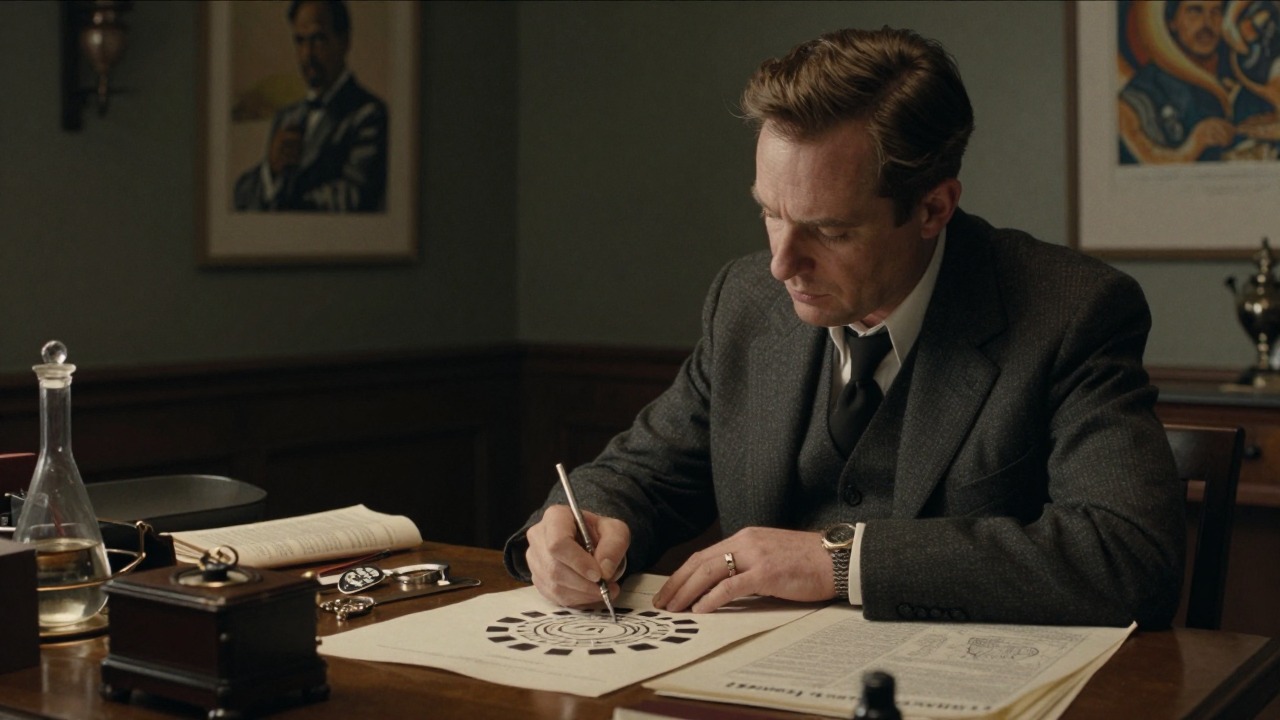
McCarthy Proposes a Gamble
Context
Ed McCarthy urges Frank Frink to move beyond forging antiques and make original handwrought jewelry. He even offers designs and a partnership.
Turning Point
Frink is skeptical, ashamed by the Nazi idea that Jews can only imitate. He consults the I Ching and receives the hexagram Peace with a terrible moving line about the wall falling into the moat.
Significance
The partnership is born out of desperation and hope. Frink knows the omen is split, but he decides to work anyway.
Wyndam-Matson's Blackmail Payment
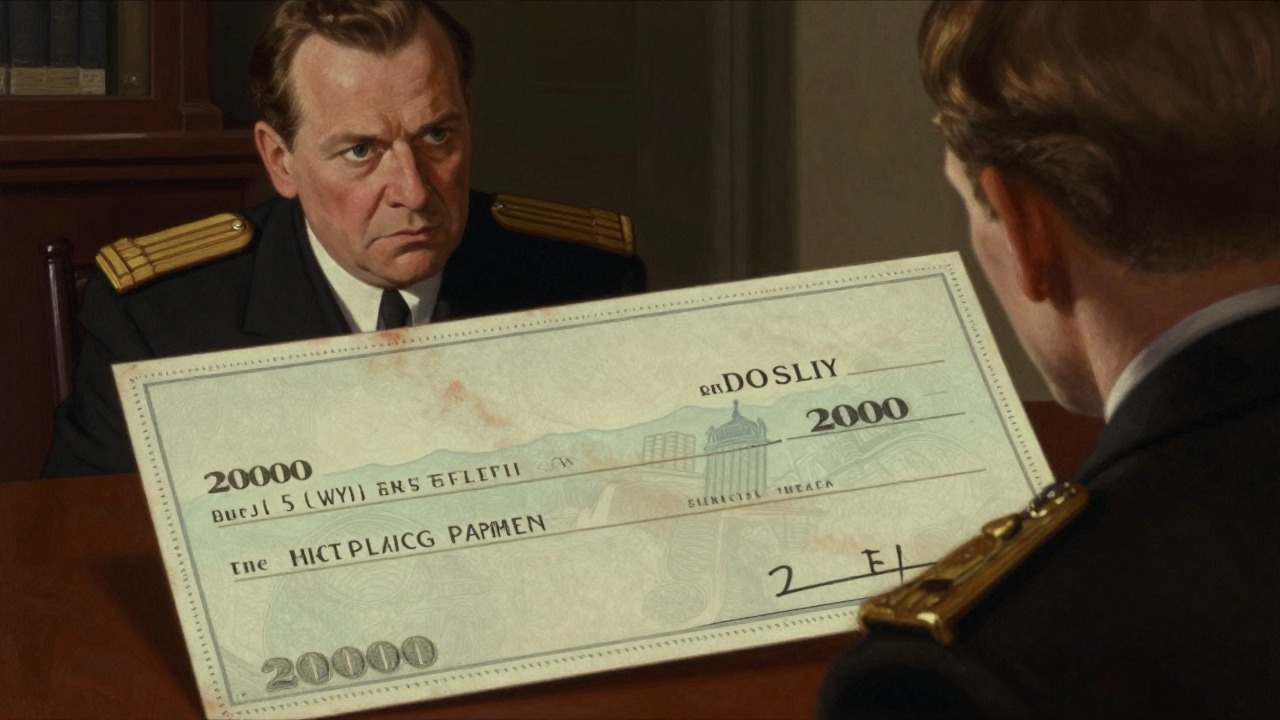
Wyndam-Matson's Blackmail Payment
Context
Frink and McCarthy indirectly blackmail Wyndam-Matson by allowing the fake admiral story to reach him. They ask for money to start their business.
Turning Point
The certified check for two thousand dollars arrives. It is tainted money, and Frink feels they have entered the world of extortion and compromise.
Significance
The money finances Edfrank Custom Jewelry, but it is also a devil's bargain that will later be used against Frink in court.
Selling to Childan
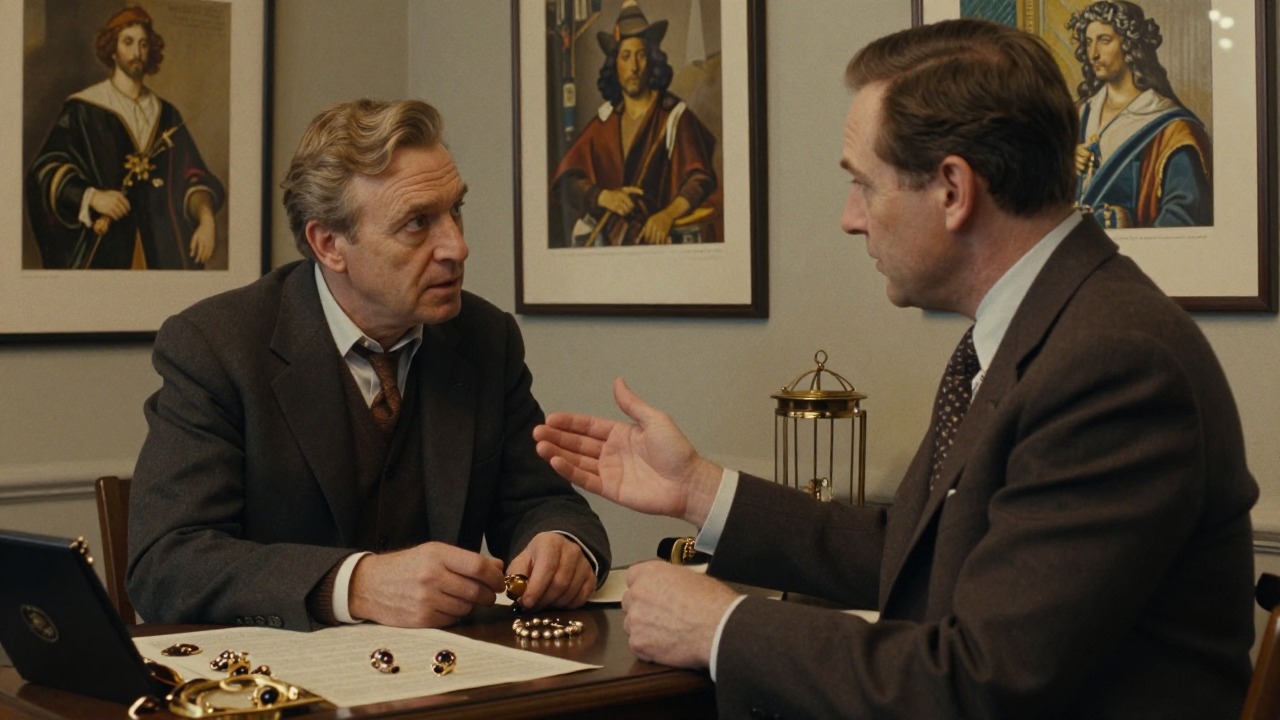
Selling to Childan
Context
Ed McCarthy presents the jewelry to Robert Childan, who sees an opportunity to diversify beyond antiques. He offers only consignment, with no payment and no risk to the store.
Turning Point
McCarthy, humiliated but desperate, agrees. He returns to Frink with most of their best pieces left behind as tribute to a man who may never sell them.
Significance
The consignment deal reflects the enormous power imbalance in the craft market. The makers have nothing but their skill and a thread of hope.
Selling to Others
Selling to Others
Context
Frink and McCarthy visit five stores and find no buyers. The taste for historic objects leaves no room for contemporary American work.
Turning Point
Frink loses heart and wants to dissolve the partnership. McCarthy stubbornly refuses and promises to try more shops.
Significance
The failure is not just economic; it is the rejection of a new American identity. Their art is ahead of the market, and the market is owned by the past.
Frink Returns to the Bench
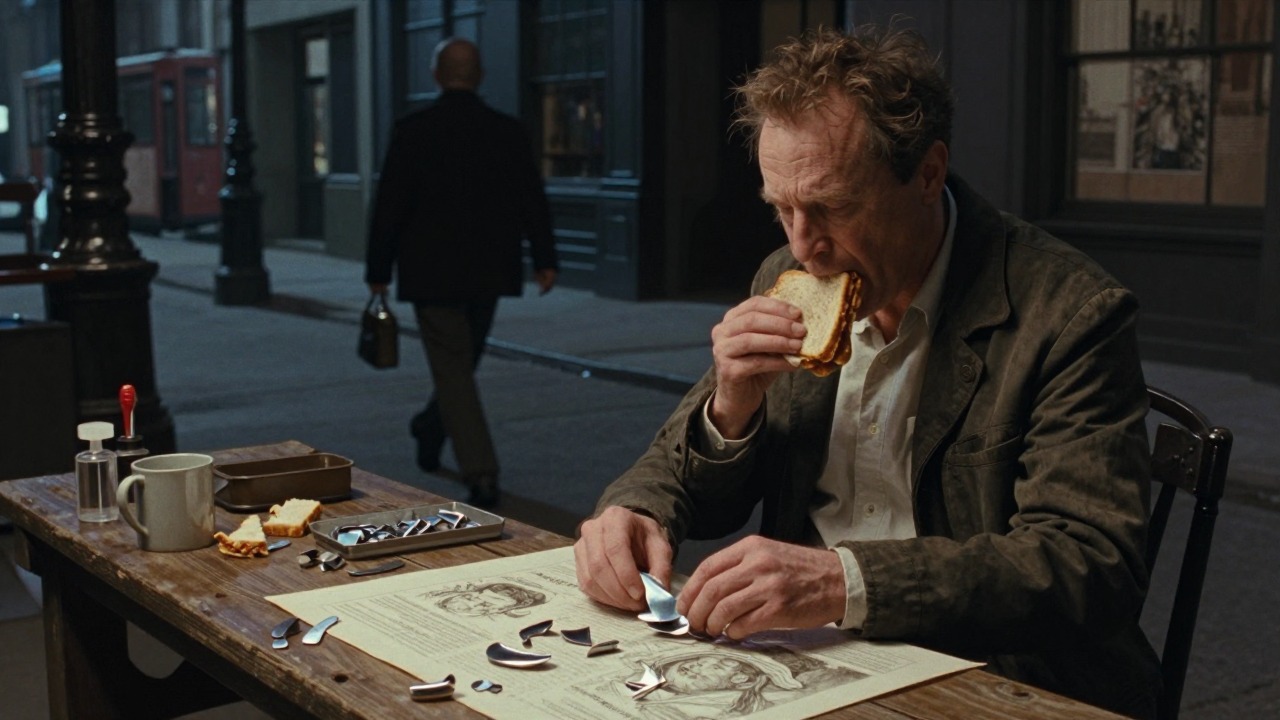
Frink Returns to the Bench
Context
After being arrested and then inexplicably released, Frink walks through the dark city back to the basement workshop. Ed McCarthy is there eating sandwiches, not knowing if Frink is alive.
Turning Point
Frink silently picks up half-finished silver segments and starts polishing them. Nothing has changed, and everything has changed.
Significance
The ending of the Edfrank thread shows that survival is itself an act of creation. Frink keeps making metal objects because that is his answer to the chaos around him.
in the shop office at W-M Corporation
afternoon when the W-M messenger arrives
the morning Ed McCarthy visits American Artistic Handcrafts
after visiting five retail shops in San Francisco
the evening after Frink's release from prison
